Walk-In Cooler Warehouse Installation Guide
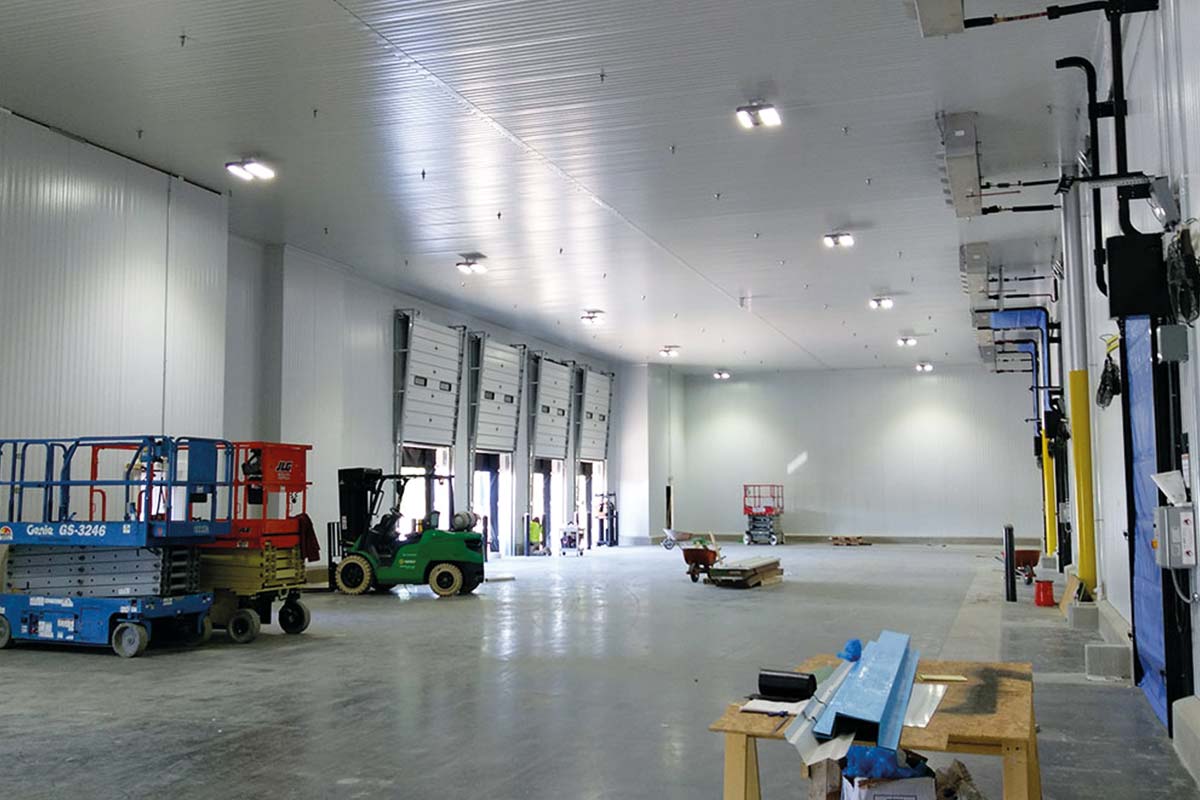
Installing a walk-in cooler in a warehouse environment is fundamentally different from installing one in a restaurant or small commercial kitchen. Warehouses operate at a different scale, with higher product volumes, more frequent door openings, forklift traffic, palletized inventory, and stricter efficiency expectations. A poorly planned walk-in cooler warehouse installation can lead to excessive energy costs, temperature inconsistencies, operational bottlenecks, and costly retrofits later on.
This guide is designed to walk through the entire decision-making and implementation process, from defining operational needs to planning for long-term scalability. Whether the warehouse is used for food distribution, cold storage logistics, pharmaceuticals, or e-commerce fulfillment, the principles below apply across industries.
Defining Warehouse Cooling Requirements
Every successful walk-in cooler warehouse installation begins with a clear understanding of how the space will actually be used, not just how large it is. Too many projects fail because the cooling system is designed around square footage rather than workflow.
The first step is identifying the type of products being stored. Fresh produce, frozen goods, dairy, meat, pharmaceuticals, and floral products all have different temperature ranges, humidity requirements, and tolerance for fluctuations. A warehouse that handles mixed inventory may require multiple temperature zones or separate cooler and freezer areas.
Next, the inventory flow must be analyzed. High-turnover distribution centers experience constant door openings, rapid pallet movement, and frequent loading dock activity. These conditions place heavy strain on commercial refrigeration systems and require more robust insulation, air curtains, and higher-capacity compressors. In contrast, long-term cold storage facilities with minimal daily movement prioritize stability and energy efficiency over rapid recovery times.
Another critical factor is storage method. Pallet racking systems, floor stacking, or mobile shelving each impose different space and airflow requirements. Forklift aisles, turning radii, and vertical clearance all affect cooler dimensions and ceiling height. Designing a walk-in cooler without accounting for material handling equipment often leads to inefficient layouts or damaged panels and doors.
Finally, consider future operational changes. Warehouses rarely stay static. Seasonal demand, new product lines, or changes in distribution strategy can dramatically alter cooling requirements. A forward-looking design ensures the walk-in cooler does not become a constraint as the business grows.
Selecting the Right Walk-In Cooler Configuration for Warehouse Environments
Once operational needs are defined, the next step is selecting the appropriate walk-in cooler configuration. Warehouse installations typically fall into one of several categories, each with its own advantages and trade-offs.
Modular walk-in coolers are commonly used in mid-sized warehouses and distribution centers. These systems use prefabricated insulated panels that can be assembled on-site and expanded later if needed. Their modular nature makes them ideal for facilities that anticipate growth or reconfiguration.
For large-scale operations, custom cold rooms are often the preferred solution. These systems are engineered specifically for the building’s dimensions, ceiling height, and workflow. Custom cold rooms offer greater design flexibility, better integration with racking systems, and improved long-term efficiency, but they require more upfront planning and coordination.
In warehouses handling diverse inventory, multi-zone cooling systems are increasingly common. These setups allow different sections of the same cold room to operate at different temperature ranges. While more complex, multi-zone systems reduce the need for multiple standalone coolers and optimize space utilization.
Another key decision is choosing between cooler and freezer configurations, or a combination of both. Some warehouses require transition zones or tempering areas to prevent condensation and thermal shock during loading and unloading. These transitional spaces are often overlooked but play a critical role in preserving product quality.
Ultimately, the best configuration balances current needs, capital investment, operating costs, and scalability. A cheaper upfront solution that limits future expansion often becomes far more expensive over time.
Engineering and Infrastructure Requirements
Warehouse walk-in cooler installations demand a higher level of engineering coordination than smaller commercial applications. Electrical capacity, structural support, and airflow management must all be addressed early in the design phase.
From an electrical standpoint, large refrigeration systems require significant power and often dedicated circuits. Voltage requirements, phase configuration, and backup power considerations should be reviewed with both the refrigeration supplier and a licensed electrician. In mission-critical operations such as pharmaceutical storage, redundancy and emergency power integration are essential.
Compressor placement is another critical decision. Roof-mounted, remote, or self-contained systems each affect noise levels, maintenance access, and heat rejection. Poor placement can lead to inefficient operation or difficult servicing, increasing downtime risk.
Flooring is one of the most commonly underestimated aspects of warehouse cooler installations. Walk-in coolers must sit on properly insulated, load-bearing floors designed to support pallet loads and forklift traffic. Without adequate subfloor insulation and vapor barriers, condensation and frost heave can damage the slab and compromise structural integrity.
Airflow management within the cooler is equally important. Evaporator placement, air circulation patterns, and ceiling height all influence temperature consistency. In tall warehouse coolers, stratification can occur if airflow is not properly engineered, leading to warm zones and uneven product cooling.
Addressing these engineering factors upfront prevents costly retrofits and ensures the system performs reliably under real-world conditions.
Walk-in Cooler Warehouse Installation Planning
Even the best-designed system can fail if installation planning is rushed or incomplete. Warehouse walk-in cooler installations require careful site preparation and coordination among multiple stakeholders.
Accurate measurements of floor space, ceiling height, and dock alignment are essential. Door placement should align with loading docks and internal traffic flow to minimize travel distance and reduce temperature loss. Ceiling obstructions such as sprinklers, lighting, or structural beams must be identified early to avoid last-minute design changes.
Compliance is another major consideration. Local building codes, health department regulations, and workplace safety standards all influence cooler design and installation. These may include requirements for fire suppression, emergency exits, slip-resistant flooring, and temperature monitoring systems.
Installation timelines should account for warehouse downtime and operational disruptions. In active facilities, phased installations or off-hour work may be necessary. Clear communication between contractors, warehouse management, and refrigeration technicians is critical to keeping the project on schedule.
A well-executed installation plan reduces risk, shortens commissioning time, and ensures the system passes inspections without delays.
Energy Efficiency, Operating Costs, and Long-Term ROI
Energy consumption is one of the largest ongoing expenses associated with warehouse walk-in coolers. Design decisions made during installation directly impact operating costs for years to come.
Insulation thickness and panel quality play a major role in thermal efficiency. Thicker panels with higher R-values reduce heat transfer and compressor workload. Door design is equally important. High-traffic warehouses benefit from fast-acting doors, strip curtains, or air curtains that minimize temperature loss during loading operations.
Refrigeration system efficiency also depends on compressor selection, defrost cycles, and control systems. Modern digital controllers and remote monitoring tools allow operators to fine-tune performance and detect issues before they escalate into failures.
While energy-efficient components often carry a higher upfront cost, they typically deliver a strong return on investment through lower utility bills, reduced maintenance, and longer equipment lifespan. In many cases, energy rebates or incentives may also be available, further improving ROI.
Warehouse operators should evaluate walk-in cooler projects not just as capital expenditures, but as long-term operational investments.
Maintenance Strategy
A warehouse walk-in cooler is not a set-and-forget system. Long-term performance depends on a clear maintenance strategy and the ability to adapt as business needs evolve.
Routine preventive maintenance, including coil cleaning, gasket inspection, and temperature calibration, helps prevent unexpected downtime. Accessibility should be considered during design so technicians can service components without disrupting warehouse operations.
Scalability is another critical factor. Modular panel systems, oversized electrical capacity, and flexible compressor configurations make it easier to expand or reconfigure the cooler in the future. Planning for expansion during the initial installation is far less expensive than rebuilding later.
As warehouses adopt automation, data integration, and smart monitoring technologies, walk-in coolers must also evolve. Systems that support sensors, alarms, and remote diagnostics are better positioned for long-term relevance.
Ultimately, a well-planned walk-in cooler warehouse installation supports not just today’s operations, but the company’s growth over the next decade.

Related Posts
Mr. Winter Walk-In Coolers and Freezers Review
AmeriKooler Walk-In Cooler Review